
A Brief History of Soap
From ancient ritual to modern infrastructure
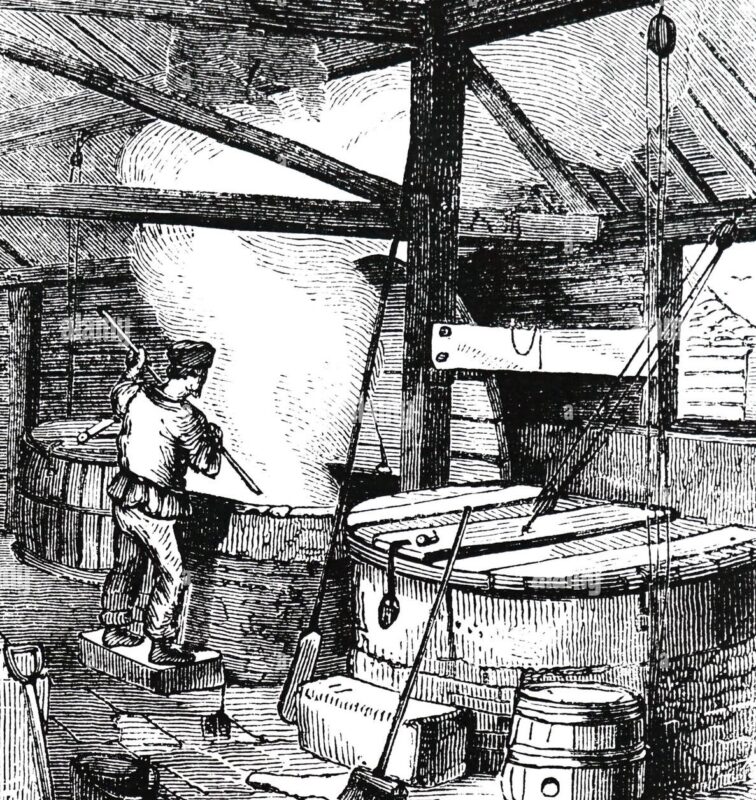
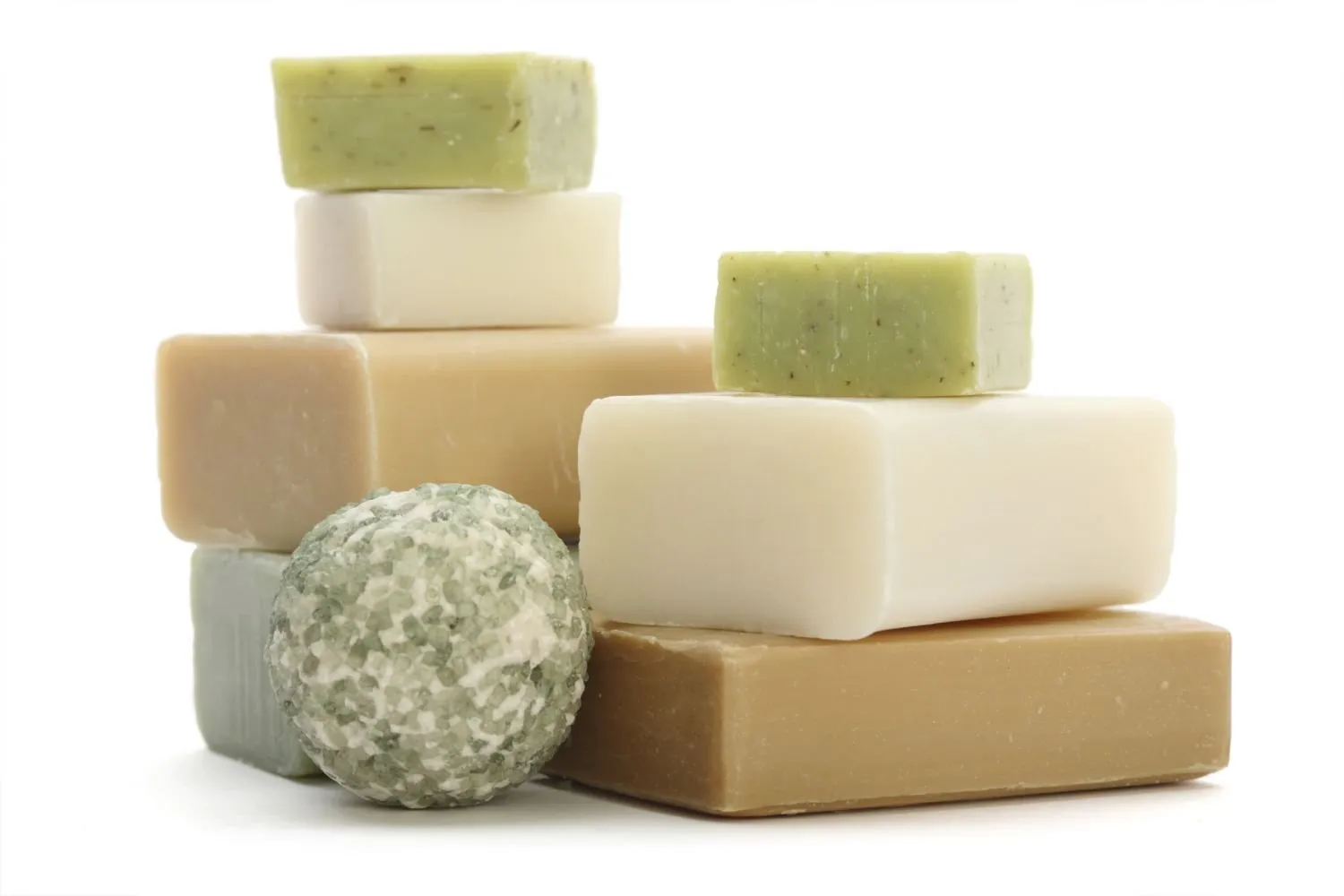

Soap is one of humanity’s quietest inventions — and one of its most influential.
Long before brands, packaging, or advertising, soap existed as a shared solution to a universal problem: how to live together cleanly.
What follows is not just a timeline of products, but a history of how soap spread across cultures, industries, and daily life.
Origins: Soap Before Brands (c. 2800 BCE – 1700s)
The earliest soap-like substances appear independently across civilizations.
-
Mesopotamia (c. 2800 BCE): Clay tablets describe mixtures of animal fats and ash used for cleaning wool and skin.
-
Ancient Egypt: Oils combined with alkaline salts for medical and bathing purposes.
-
Ancient Rome: Soap existed alongside oils and scraping tools; cleanliness was ritualized through public baths.
-
China: Plant-based detergents and ash solutions used for textile washing and personal care.
-
Islamic Golden Age: Hard soaps made with olive oil (notably in Aleppo) refined techniques that spread into Europe.
For most of history, soap was:
-
Locally made
-
Inconsistent
-
Often expensive
-
Closely tied to regional ingredients
Soap existed — but daily washing was not yet universal.
The 19th Century: Soap Becomes Infrastructure


The Industrial Revolution transformed soap from a craft into a system.
The Major Players
-
Lever Brothers (UK, founded 1885)
Introduced Sunlight Soap, the first mass-market branded soap.
Their insight wasn’t chemistry — it was habit formation. Soap was positioned as essential to modern life, health, and respectability. -
Procter & Gamble (US, founded 1837)
Industrialized soap making through process innovation and scale.
Emphasized consistency, performance, and trust through manufacturing discipline. -
Colgate (US, soap production began mid-1800s)
Helped normalize daily hygiene beyond bathing, expanding soap’s role in personal care.
Why This Era Matters
This period:
-
Democratized soap
-
Made daily washing normal, expected, and repeatable
-
Turned cleanliness into a shared social standard
Soap stopped being a luxury and became invisible infrastructure.
Global Propagation: Soap Across Cultures & Continents
Soap spread globally through a mix of:
-
Trade routes
-
Colonial supply chains
-
Missionary and public health efforts
-
Urbanization
Europe
-
Hard bar soaps standardized
-
Soap taxes (eventually repealed) influenced affordability
-
Branding took hold early
Africa
-
Soap adoption blended with existing cleansing traditions
-
Sunlight and similar brands became household staples
-
Soap positioned as durable, multipurpose, and communal
Asia
-
India and Southeast Asia integrated soap alongside herbal and oil-based traditions
-
Japan combined soap with ritualized bathing culture
-
China scaled detergent manufacturing rapidly in the 20th century
The Americas
-
Soap aligned with domestic order and public health
-
Strong link between soap, advertising, and modern consumer culture
Across regions, soap succeeded not by replacing tradition — but by folding into daily rhythm.
Key Innovations in Soap Making


The First Liquid Soap
-
1865: William Shepphard patents liquid soap in the United States
-
Early versions were niche and expensive
-
1980s–1990s: Liquid hand soap becomes mainstream due to:
-
Plastic pump bottles
-
Hospital hygiene standards
-
Convenience and perceived sanitation
-
Today, liquid soap dominates handwashing in many regions, while bar soap remains central globally.
Other Major Innovations
-
Saponification chemistry refinement (19th century)
-
Synthetic detergents (early 20th century) — enabling washing in hard water
-
Fragrance engineering — scent as emotional shorthand
-
Mild surfactants — soap suitable for sensitive skin
-
Syndet bars — soap-like products without traditional soap chemistry
Each innovation didn’t replace soap — it expanded what soap could mean.
The Modern Era: Scale and Craft Side by Side
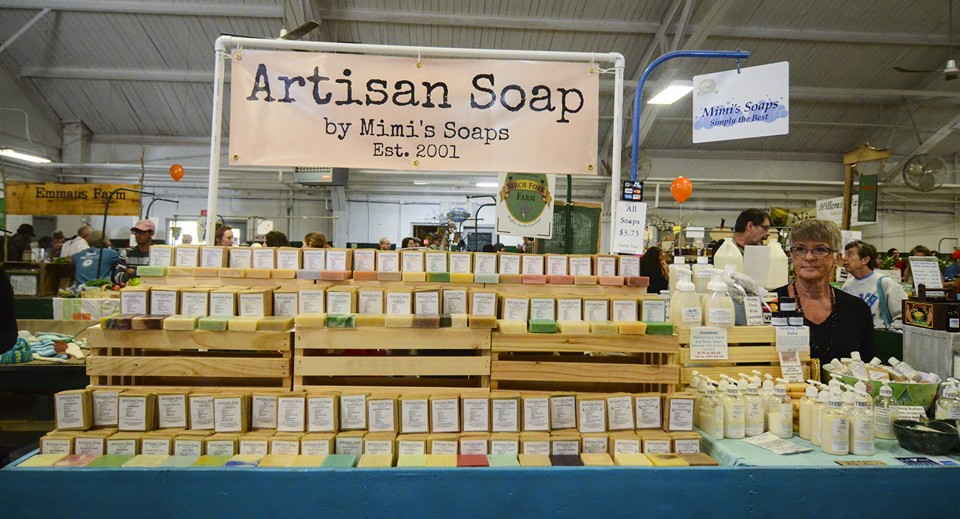
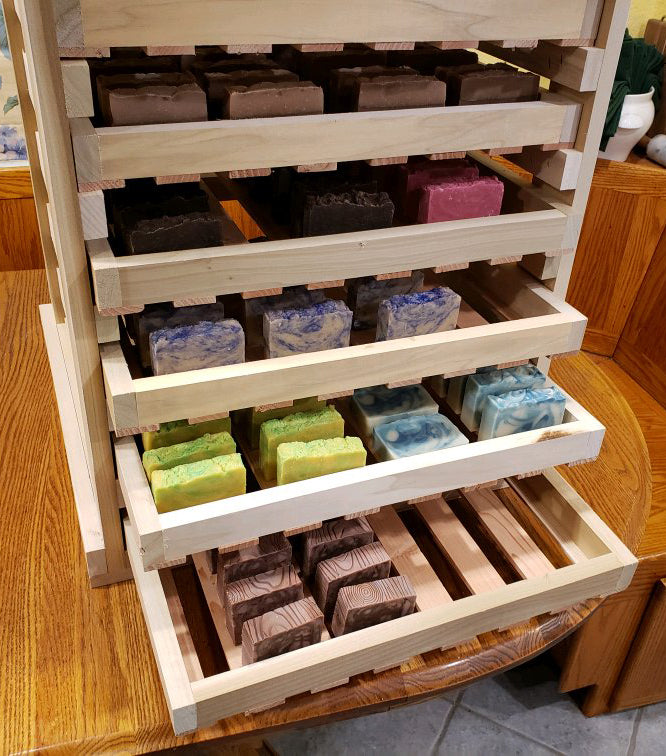
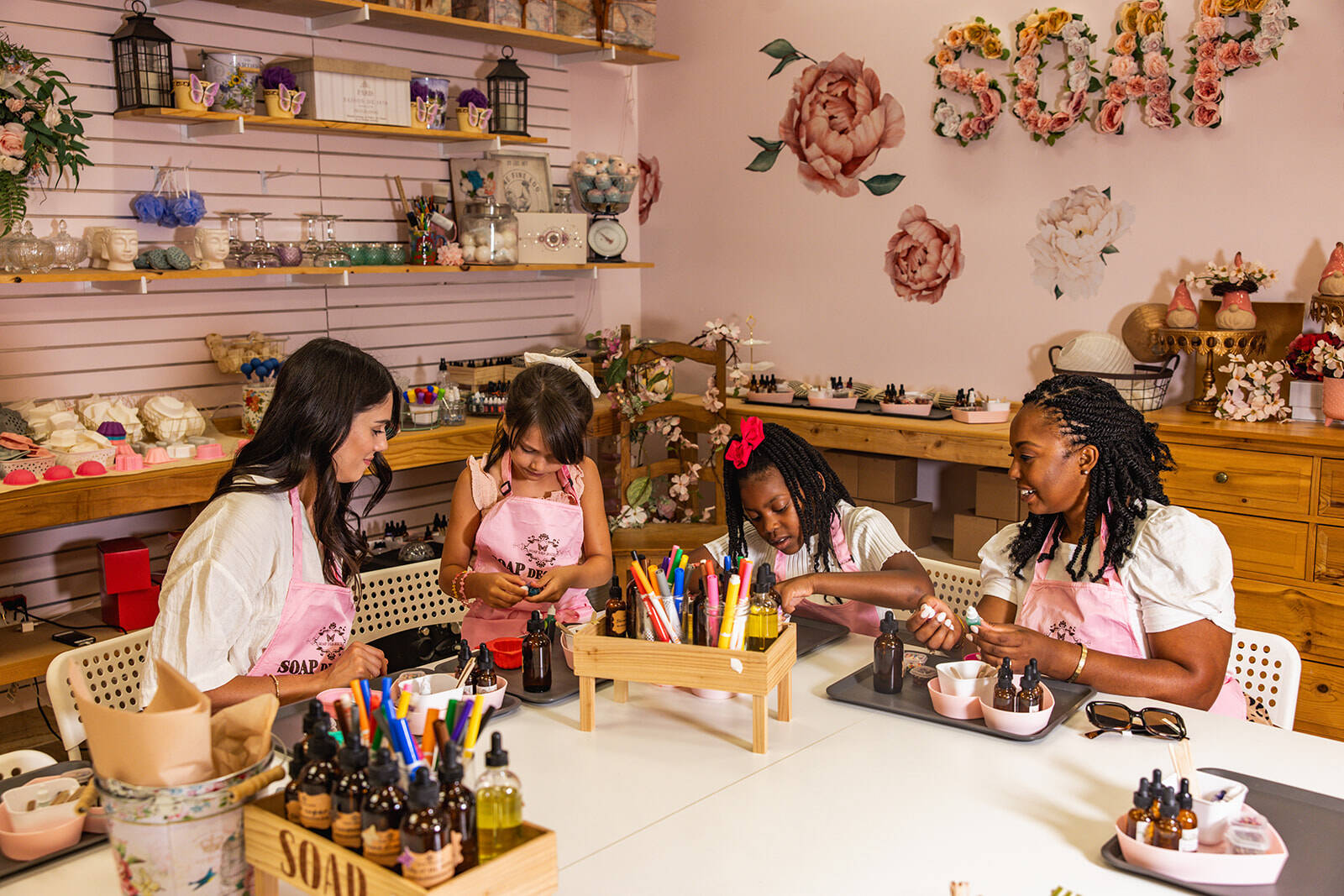
Independent Soap Makers Today (Estimated)
Despite global conglomerates, independent soap making is thriving.
Approximate modern estimates:
-
100,000+ small and independent soap makers worldwide
-
30,000–40,000 in the United States alone
-
Tens of thousands more across:
-
Europe
-
India
-
Southeast Asia
-
Africa
-
Latin America
-
Most operate as:
-
Micro-businesses
-
Local or regional brands
-
Craft, herbal, or specialty producers
This resurgence reflects:
-
Desire for locality and transparency
-
Cultural pride in traditional formulations
-
Resistance to full commoditization
Soap has come full circle — from local craft, to global infrastructure, and back again.
Soap Today: Ordinary, Essential, Enduring
Soap rarely announces itself anymore.
That’s its greatest achievement.
It:
-
Shapes daily routines
-
Signals care and belonging
-
Connects ancient practice with modern life
Some soaps innovate.
Some remain unchanged for generations.
Both matter.
At The Soap Improv, we treat soap not as a trend —
but as a living archive of how people learned to care for themselves and each other.